It is 2:00 AM, and you are staring into the bassinet. Your two-week-old baby is making a sound that can only be described as a tiny, congested dinosaur. They are grunting, whimpering, thrashing their arms, and maybe even letting out a sudden, sharp cry.
Your instinct? Swoop in, pick them up, and comfort them.
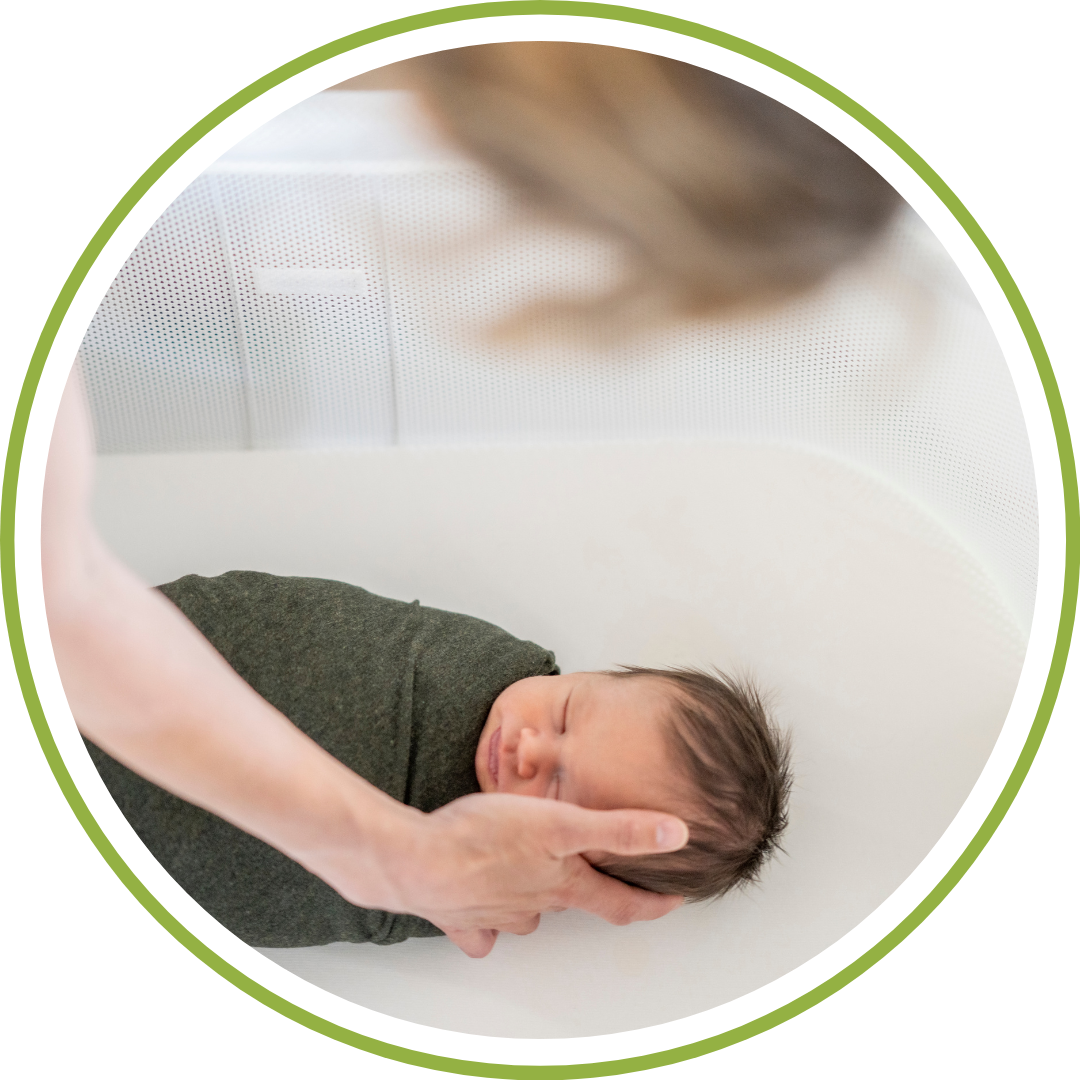
But wait a second. Look closely at their eyes. Are they closed? If so, you might be on the verge of accidentally waking a baby who was actually fast asleep.
Newborns are notoriously loud, chaotic sleepers. To help you get more rest and avoid interrupting your baby’s necessary sleep cycles, let’s break down the wild world of "active sleep" versus an actual wake-up call.
What on Earth is "Active Sleep"?
Adults spend most of their sleep time in quiet, deep sleep. When we dream during REM sleep, our brains actually paralyze our muscles so we don’t act out our dreams.
Newborns don't have that paralyzing mechanism fully developed yet. On top of that, about 50% of a newborn’s sleep is REM sleep—which we call active sleep.
During active sleep, your baby's brain is working overtime, processing everything they experienced during the day. Because their nervous system is still maturing, this internal brain activity translates into a lot of external movement and noise.
The Tell-Tale Signs of Active Sleep:
Eyes are tightly shut (though you might see their eyelids twitching).
Rapid, irregular breathing (they might breathe fast, then pause for a few seconds—which is completely normal for a newborn).
Grunting, groaning, squeaking, or whimpering.
Sudden, brief cries or yells that last just a second or two.
Twitching fingers, kicking legs, or even smiling and frowning.
To the untrained eye, active sleep looks and sounds exactly like distress. But in reality, your baby is perfectly content and deep in dreamland.

The True Wake-Up: How to Tell the Difference
So, how do you know when your baby actually needs you? A true wake-up looks very different from the active sleep squirm.
The Signs Your Baby is Actually Awake:
Their eyes are open. This is the biggest giveaway. If their eyes are open and tracking the room or looking for you, they are out of their sleep cycle.
The crying is sustained. Active sleep cries are short bursts—a single "waah!" followed by silence. A true wake-up involves rhythmic, escalating crying that doesn’t stop after a minute.
Rooting behavior. If they are turning their head from side to side, sucking on their fists, or smacking their lips while awake, they are telling you they are hungry.
Tension in their body. In active sleep, a baby’s body still has a loose, floppy quality between twitches. When awake and upset, their limbs stiffen, and their fists clench tightly.
The Golden Rule: "Pause Before You Pause"
If you take away just one piece of advice from this, let it be the pause test.
The next time your baby starts fussing, grunting, or crying in the middle of the night, don't instantly jump out of bed to lift them up. Instead, count to 30 or 60 in your head. Take a breath and look at them.
If they are in active sleep, that brief pause gives them the chance to transition right back into a quiet, deep sleep cycle without you intervening. If you rush to pick them up the second they make a sound, you will startle them awake, meaning you now have a fully awake baby on your hands who might have otherwise slept for another two hours.
Of course, if the crying escalates or those eyes pop open, go right ahead and soothe your little one. But by learning to decode the noises of the fourth trimester, you’ll save yourself a lot of accidental wake-ups—and get a little more of that precious sleep you deserve.
Confused by Nighttime Noises? We’re Here to Help.
Every squeak, grunt, and wiggle can feel like a riddle when you’re running on low sleep. If you want an expert by your side to help navigate these chaotic newborn sleep cycles, our team at Nurtured Foundation is ready to step in.
Whether you need a postpartum doula to handle the night shift so you can rest, or a gentle sleep consultant to build healthy foundations for your family, we’ve got your back. Connect with us today to find the perfect support for your postpartum journey.